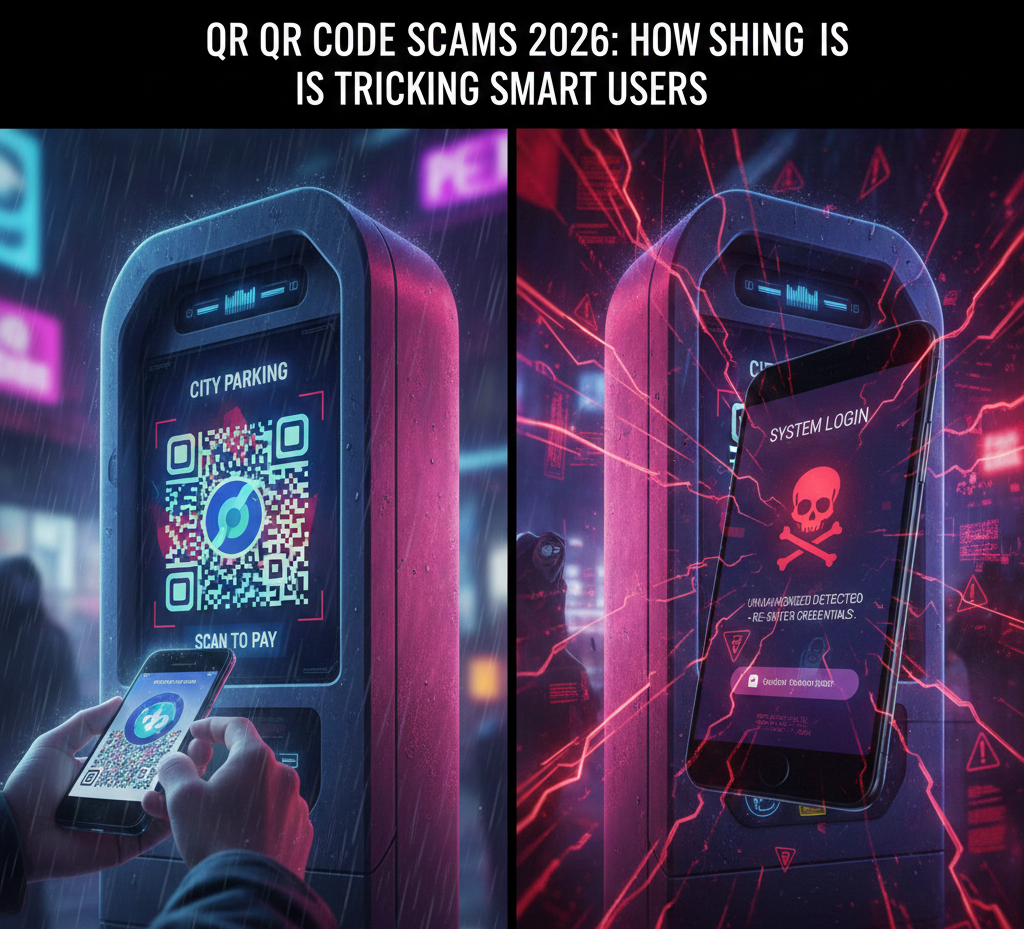
In 2026, digital convenience is everywhere. We scan codes to pay for coffee, open restaurant menus, download apps, verify tickets, and even log into websites. QR codes have become part of daily life. They are fast, touchless, and simple.
But criminals have found a way to turn this convenience into a weapon.
Welcome to the new era of QR Code Scams, where a simple square pattern can quietly steal your money, your passwords, and even your identity.
Unlike traditional phishing emails or suspicious links, QR scams don’t look dangerous. They appear modern, harmless, and professional. And that is exactly why they work.
What Are QR Code Scams?
QR Code Scams are a type of fraud where criminals use malicious QR codes to redirect victims to fake websites, payment portals, or malware downloads.
Instead of sending you a suspicious link, scammers hide the link inside a QR code. When you scan it with your phone, you are instantly redirected often without realizing anything is wrong.
This method of fraud is often called “quishing,” short for QR phishing. It combines the psychological tricks of phishing with the growing trust people have in QR technology.
Why QR Codes Became a Perfect Target in 2026
QR codes exploded in popularity after contactless systems became the norm. Restaurants replaced paper menus. Parking meters went digital. Payments became scan and go.
As usage increased, so did opportunities for abuse.
Modern QR Code Scams thrive because:
- People trust QR codes automatically
- Phones open links instantly after scanning
- Many users don’t verify website URLs carefully
- QR codes are easy and cheap to generate
In 2026, scammers no longer need technical hacking skills. They just need a printed sticker and a convincing story.
How QR Code Scams Work
The mechanics behind QR code phishing are surprisingly simple.
Step one: A scammer creates a fake website often designed to look identical to a bank, delivery service, payment platform, or government portal.
Step two: They generate a QR code that links to that fake website.
Step three: They place the QR code where people expect to see one.
Common locations include:
- Parking meters
- Restaurant tables
- Public transport stations
- Event posters
- Package delivery notices
- Emails pretending to be official invoices
When someone scans the code, they are redirected to a convincing fake page. The page may ask for login credentials, payment details, or personal information.
By the time the victim realizes something is wrong, the damage is done.
That is the silent power of QR scam schemes.
Real-World Examples of QR Code Scams
In 2026, these scams are happening worldwide.
Fake Parking Payment Codes
Criminals place stickers with fake QR codes over legitimate parking payment systems. Drivers scan the code, enter card details, and unknowingly send money directly to scammers.
Restaurant Menu Replacement
Fraudsters replace table QR codes with malicious ones. Instead of viewing a menu, customers land on a fake login page requesting payment verification.
Package Delivery Notices
Victims receive a message saying, “Scan this code to reschedule your delivery.” The QR code leads to a fake courier website that steals card details.
These types of QR code phishing succeed because they appear normal and situational. Nothing feels suspicious in the moment.
Why Even Smart Users Fall for QR Code Scams
Many people believe they are too tech-savvy to be scammed. Unfortunately, QR code phishing are designed to bypass logic and trigger quick decisions.
They exploit three key psychological factors:
Urgency – “Pay now to avoid a fine.”
Authority – “Official government payment portal.”
Convenience – “Scan here for instant access.”
When something feels routine, we don’t stop to question it.
Unlike email phishing, there is no strange spelling or suspicious sender address to analyze. A QR code is just an image. It does not look dangerous.
That simplicity is what makes QR code phishing so effective in 2026.
The Hidden Technical Risks Behind QR Code Scams
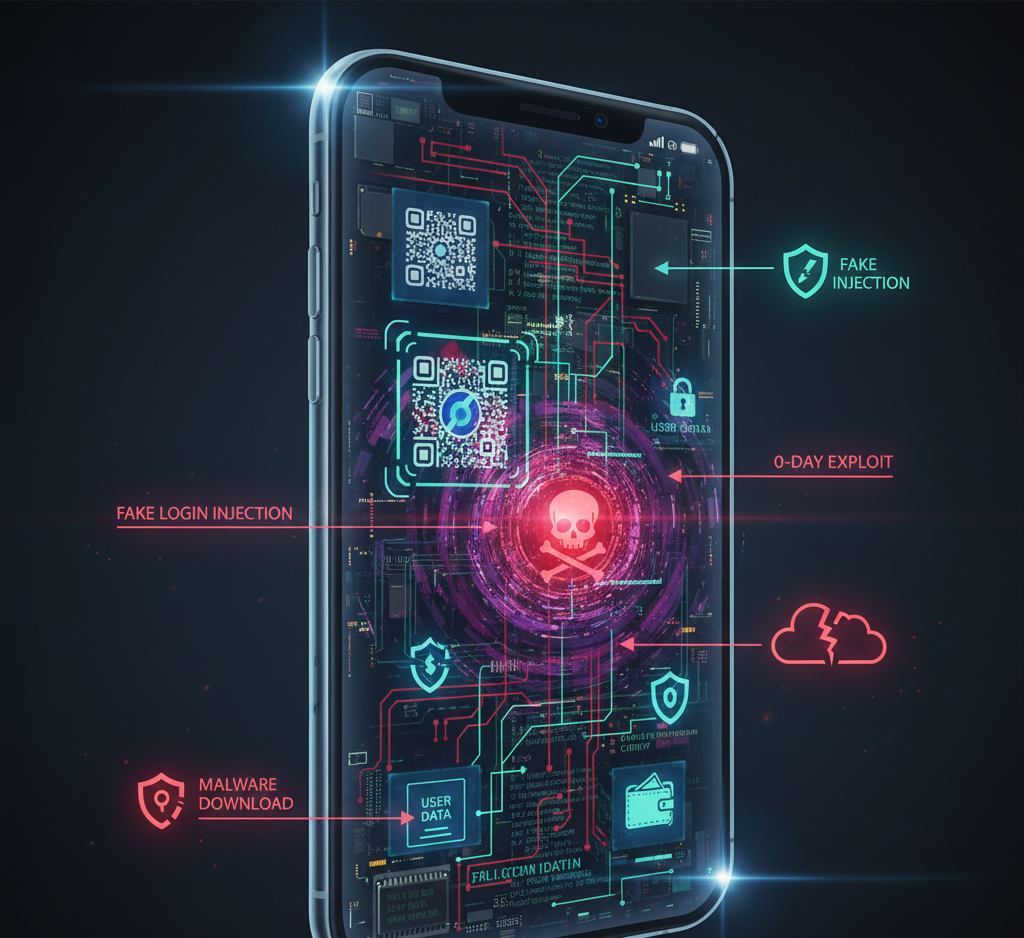
Beyond fake websites, some QR scam schemes go further.
Advanced versions can:
- Trigger automatic app downloads
- Install spyware or malware
- Redirect to credential-harvesting pages
- Exploit browser vulnerabilities
- Collect device information silently
Some malicious QR codes even initiate payment requests automatically through digital wallet apps.
Because smartphones are deeply connected to banking apps, social media, and work accounts, one scan can expose multiple areas of your digital life.
How Social Media Fuels QR Code Scams
Social media platforms have unintentionally contributed to the rise of QR code phishing.
Businesses frequently share QR codes for promotions, giveaways, and event registrations. Users have become comfortable scanning codes without hesitation.
Scammers take advantage of this trust by:
- Posting fake promotional QR codes
- Sending QR codes via direct messages
- Embedding QR codes in fake advertisements
- Creating cloned brand pages
Since QR codes are widely used in legitimate marketing, it becomes harder to distinguish between safe and malicious ones.
Warning Signs of QR Code Scams
Although they are clever, QR code phishing are not impossible to detect.
Here are red flags to watch for:
- A QR code sticker placed over another code
- Poorly printed or misaligned QR labels
- Requests for urgent payment after scanning
- Websites asking for sensitive details immediately
- URLs that look slightly misspelled
- Payment pages without secure HTTPS connections
If something feels rushed or unusual, pause before entering information.
That short moment of caution can prevent serious financial loss.
How to Protect Yourself from QR Code Scams
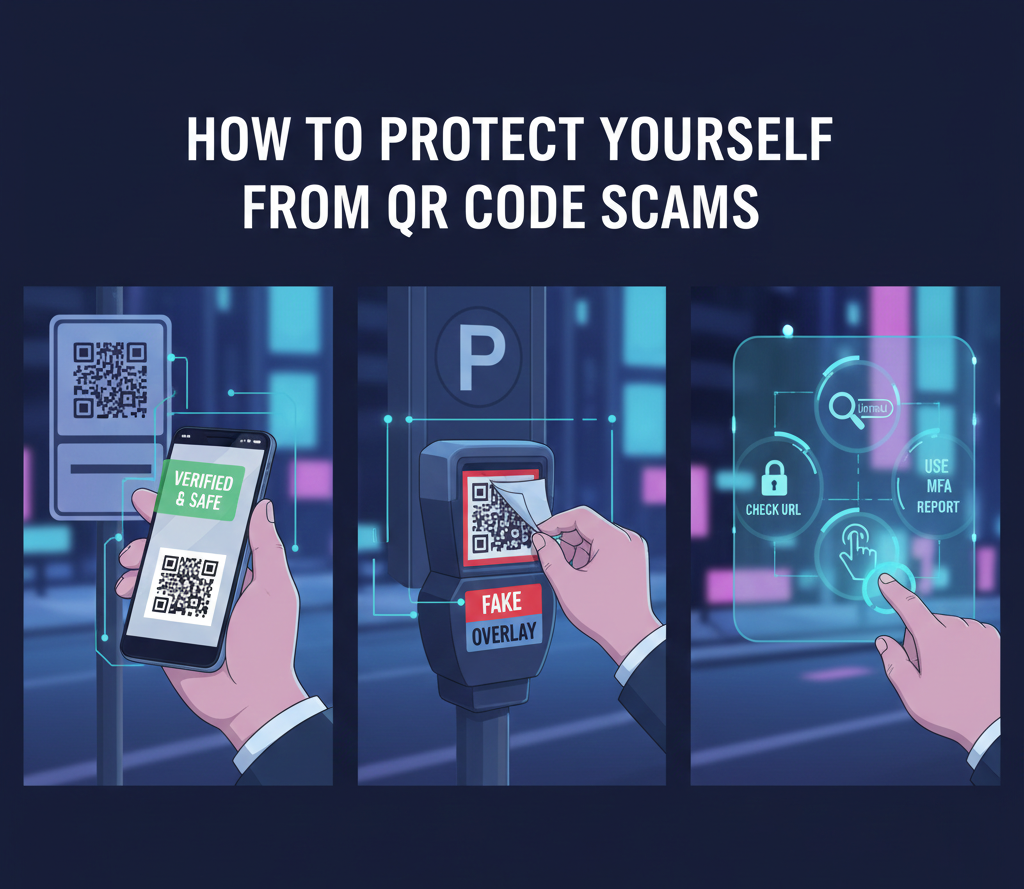
Staying safe in 2026 requires awareness and simple verification habits.
1. Inspect Before Scanning
Check whether the QR code looks tampered with or placed over another label.
2. Preview the Link
Many smartphones show the URL before opening it. Read it carefully.
3. Avoid Entering Sensitive Information Immediately
If a page asks for login credentials or payment details, verify through the official website instead.
4. Use Official Apps
Instead of scanning random codes, open the official app of the service provider.
5. Enable Security Features
Use mobile security software and enable two-factor authentication on financial accounts.
By practicing these habits consistently, you significantly reduce the risk of falling victim to QR scam schemes.
The Role of Businesses in Preventing QR Code Scams
Businesses also play a crucial role in limiting QR code phishing.
Companies should:
- Regularly inspect physical QR displays
- Use tamper-resistant labels
- Educate customers about safe scanning practices
- Provide alternative access methods
- Monitor for fraudulent clones of their websites
The responsibility does not lie solely with users. Organizations must actively protect their customers.
What the Future Holds for QR Code Scams
As technology evolves, QR code phishing will likely become even more sophisticated.
Criminals may combine QR fraud with artificial intelligence, creating personalized scam pages based on stolen data. We may also see deepfake customer support pages or automated chat systems that feel completely authentic.
However, awareness is spreading just as fast.
Security experts are developing smarter QR verification tools, and smartphone manufacturers are improving built-in protection systems.
The future battle against QR scam schemes will depend on education, digital literacy, and cautious behavior.
Conclusion
QR codes are not the enemy. They are tools designed for speed and convenience.
The real risk comes from blind trust.
In 2026,QR scam schemes are growing because people assume that something simple must be safe. But cybercriminals understand human behavior better than ever before.
Before scanning, pause.
Before paying, verify.
Before trusting, double check.
In a world where one quick scan can open the door to fraud, awareness is your strongest defense.
Stay alert. Stay informed. And treat every QR code like a link you cannot see because that’s exactly what it is.
